


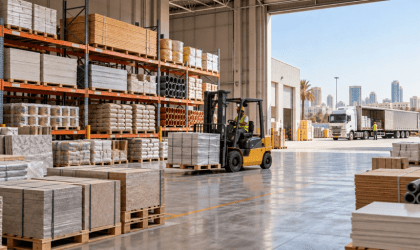

From cement and tiles to insulation, timber, fittings and other construction supplies, building materials are essential to the UAE’s construction, renovation and property sectors. For entrepreneurs who understand sourcing, distribution and B2B sales, this creates opportunities to build a trading business serving contractors, developers, retailers and other commercial buyers.
To start a building materials trading business in the UAE, you need a company licence that covers the products and trading activities you intend to carry out. A UAE free zone can provide a straightforward route to company formation, particularly for businesses focused on importing, exporting, wholesaling or regional trade.
The important part is choosing the correct activities from the beginning. Your licence should reflect what you actually intend to trade, and some products may be subject to additional customs, conformity, product registration or other regulatory requirements.
Is a UAE Free Zone Right for This Business?
A free zone can be a practical option for a building materials trader, particularly if your business model involves international sourcing, import and export, wholesale distribution or supplying customers across different markets.
Free zone companies can benefit from 100% foreign ownership and a business environment designed to make company formation and administration straightforward.
For example, you might source flooring materials from overseas manufacturers, import them into the UAE and distribute them to commercial buyers. Alternatively, you could use your UAE company as a base for sourcing products from several countries and exporting them to customers elsewhere in the GCC or internationally.
However, where and how you intend to sell matters.
If your plan involves moving physical goods into the UAE mainland, operating a retail outlet, maintaining a warehouse or distributing directly to mainland customers, additional arrangements may apply. Customs procedures, logistics arrangements and the rules governing your specific products should therefore be considered before you start importing stock.
That is why it is worth planning the actual supply chain before applying for the licence, rather than treating licensing as a separate decision.
The Licence and Activities You Need
A building materials business will generally require a trading licence with activities that accurately describe the products the company intends to buy and sell.
“Building materials” can cover a very broad range of goods. Depending on your business model, your product range could include:
- Cement, concrete-related products and construction materials
- Tiles, marble, stone and flooring products
- Timber and wood products
- Doors, windows and related fittings
- Plumbing and sanitary materials
- Insulation and waterproofing materials
- Hardware, fasteners and construction accessories
- Other materials used in building, renovation and fit-out projects
The exact activity selection matters because not every construction-related product necessarily falls under one broad trading activity.
A company selling tiles and flooring, for example, may require a different activity combination from one specialising in plumbing supplies or timber products. If you plan to trade several product categories, it is better to identify them before incorporation so the appropriate activities can be included.
It is also important to separate trading from contracting or installation. A licence allowing your company to sell a building product does not automatically mean the company can perform construction, contracting or installation work.
Certain building products may also be subject to technical standards, conformity requirements or approvals from relevant UAE authorities. These requirements depend on the product, its origin and how it will be sold or used.
How to Set Up, Step by Step

Setting up a building materials trading company becomes much easier when you define the commercial model first.
1. Decide What You Will Trade
Create a clear list of your main product categories. Avoid simply writing “building materials”. Think about whether you will trade flooring, timber, sanitary products, fittings, insulation, hardware or another specific group of products.
2. Decide Where You Will Source and Sell
Will you import from overseas manufacturers? Buy from UAE suppliers? Export to other GCC markets? Supply UAE contractors and retailers?
These decisions affect logistics, customs and potentially the structure you need.
3. Select the Appropriate Trading Activities
Choose activities that match your intended products. Shams Free Zone can help you identify suitable activities before the application is submitted.
4. Choose Your Company Name
Select a name that complies with UAE naming requirements and reflects your business where appropriate.
5. Submit Your Application and Documents
You will normally provide basic shareholder and company information together with the required identification documents. Additional documents can depend on the shareholders, business activities and application.
6. Receive Your Business Licence
Once the application has been approved and the required formalities completed, your company licence is issued. With Shams Free Zone, eligible business licences can be issued in as little as 60 minutes, helping founders move from planning to business setup quickly.
7. Arrange Your Operational Requirements
After incorporation, you can move on to the practical side of the business, including banking, visas where required, supplier agreements, customs arrangements, logistics and storage.
For a physical trading company, this stage deserves particular attention. Before placing a large supplier order, confirm how the goods will enter the UAE, where they will be stored and what documentation or approvals may be required.
Cost
The cost of starting a building materials trading company depends on the structure of the business rather than the licence alone.
At Shams Free Zone, business setup packages start from AED 5,760, providing an accessible entry point for entrepreneurs who want to establish a UAE company.
Your overall setup cost can vary depending on factors such as the activities selected, number of visas required, immigration services and other business requirements.
For a building materials trader, you should also budget separately for operational expenses. These can include:
- Product inventory
- International freight and shipping
- Customs-related costs
- Warehousing or storage
- Insurance
- Local transport and delivery
- Product testing, certification or approvals where applicable
- Banking and working capital
This distinction is important. The company formation cost gets your business legally established, but a trading company dealing with physical inventory will usually need additional capital to operate effectively.
Instead of asking only “How much does the licence cost?”, build a budget covering the complete journey from supplier to customer.
Visas for You and Your Team
Your visa requirements depend on how you intend to run the company.
A solo founder may initially need a residence visa only for themselves. A larger operation could require visas for employees working in purchasing, administration, sales, logistics or other roles.
When selecting your setup package, think about the team you expect to have over the next year rather than only the number of people you employ on day one.
Visa availability and costs depend on the chosen company package and applicable immigration requirements. Shams Free Zone can help you understand the available options as part of the setup process.
If your operation also requires warehouse staff, drivers or other personnel working through third-party logistics providers, consider whether those functions need to sit inside your own company or can be outsourced.
How Shams Sets You Up
Starting a trading company involves more than putting a company name on a licence. For building materials businesses in particular, getting the activities and structure right at the beginning can prevent problems when you start dealing with suppliers, logistics providers and customers.
Shams Free Zone provides a streamlined route to establishing your UAE company, with business setup packages starting from AED 5,760 and eligible licences that can be issued in as little as 60 minutes.
The Shams team can support you with selecting suitable business activities, completing the company formation process and understanding the visa options available for your setup.
Once your company is established, you can focus on the commercial questions that will determine how the business grows: which suppliers to work with, what products to stock, where to store them and which customers or markets to target.
For founders entering the UAE building materials market, having the company structure sorted quickly means more time can be spent building the supply chain and winning business.
FAQs
Do I need a licence to trade building materials in the UAE?
Yes. You need an appropriate business licence covering the trading activities and products your company intends to sell. The exact activities should be confirmed before company formation.
Can I start a building materials trading company in a UAE free zone?
Yes. You need an appropriate business licence covering the trading activities and products your company intends to sell. The exact activities should be confirmed before company formation.
Yes. A free zone company can be suitable for building materials trading, particularly for import, export, wholesale and international trading models. How you intend to sell and distribute goods within the UAE should also be considered when choosing your setup.
Can I import building materials with a free zone company?
A free zone trading company can conduct import and export activities within the scope of its licence, subject to applicable customs, logistics and regulatory requirements. The exact procedures depend on where the goods enter, where they are stored and where they are ultimately sold.
Can one licence cover different types of building materials?
Potentially, depending on the activities available and the product categories you want to trade. If you plan to sell several types of materials, discuss the complete product range when choosing your business activities rather than adding products later without checking whether they are covered.
Do building materials need special approvals in the UAE?
Some products may be subject to technical standards, conformity requirements, certification or other approvals. Requirements vary significantly by product, so they should be checked with the relevant UAE authority before importing or selling regulated goods.
Do I need a warehouse?
Not necessarily at the company formation stage. Your need for warehousing depends on whether you hold physical inventory and how your supply chain operates. Businesses may use their own storage facilities or work with third-party logistics and warehousing providers, subject to applicable requirements.
Can my trading company install the products it sells?
Do not assume that a trading activity covers installation or contracting work. Selling building materials and performing construction or installation services can involve different licensed activities and regulatory requirements.
How quickly can I get my Shams licence?
Eligible business licences through Shams Free Zone can be issued in as little as 60 minutes, provided the application and required documentation are in order.

